

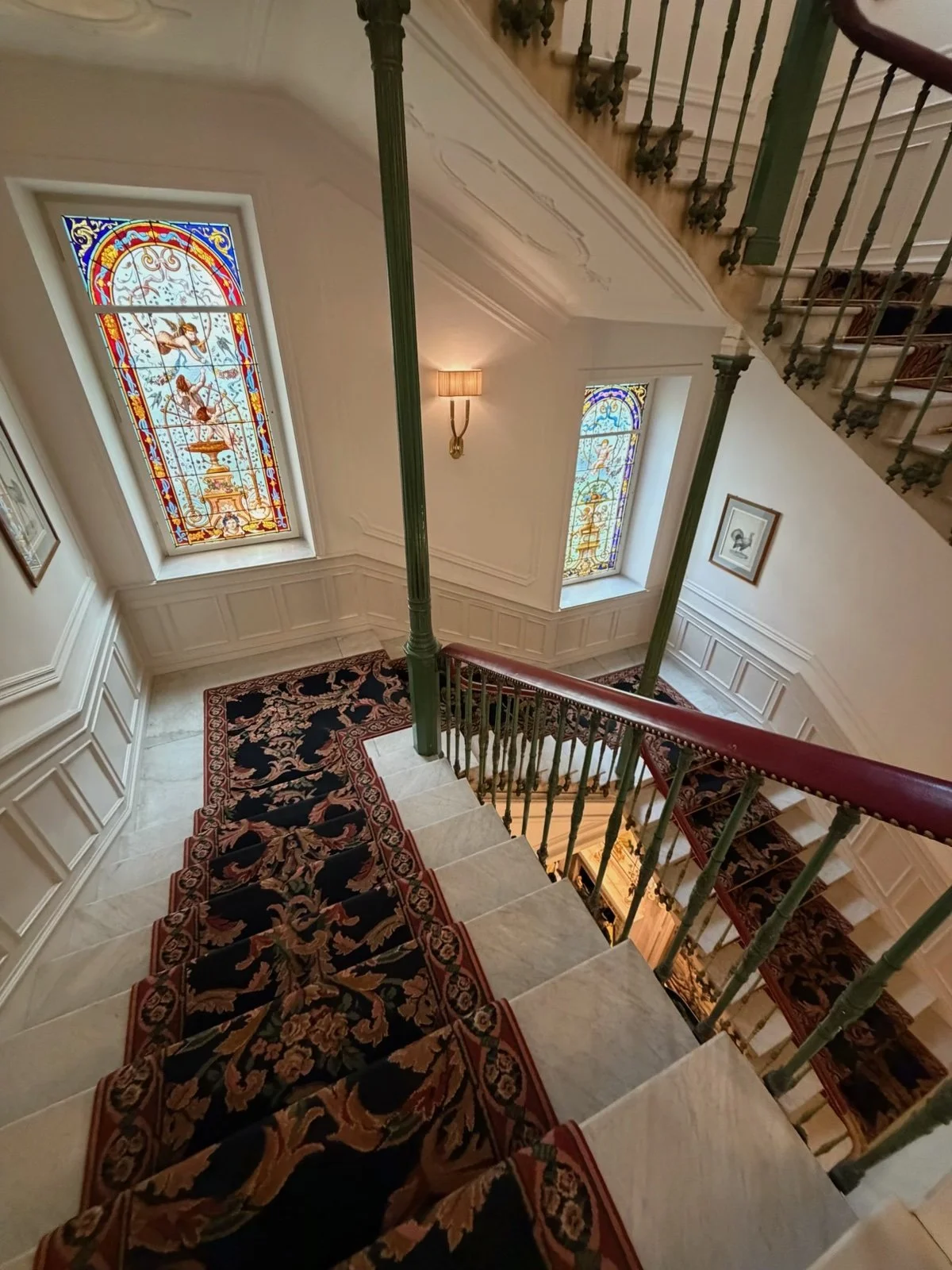
WHY I LOVE LEGACY HOTELS
Recreating the past in the present.
I've always had a deep love for history.
In college I studied History, French and International Relations,
and have always been drawn to the places that allow us to see—
and sometimes actually step into—the past.
A few years ago, while touring historic homes in Charleston,
our guide posed a question that has stayed with me:
Do you prefer renovation or restoration?
I've thought about that question quite a bit since.
Restoration honors what was. Renovation recognizes how we live now.
I've come to realize that I don't necessarily want to choose between the two.
When it's done exceptionally well, I think you can have both.
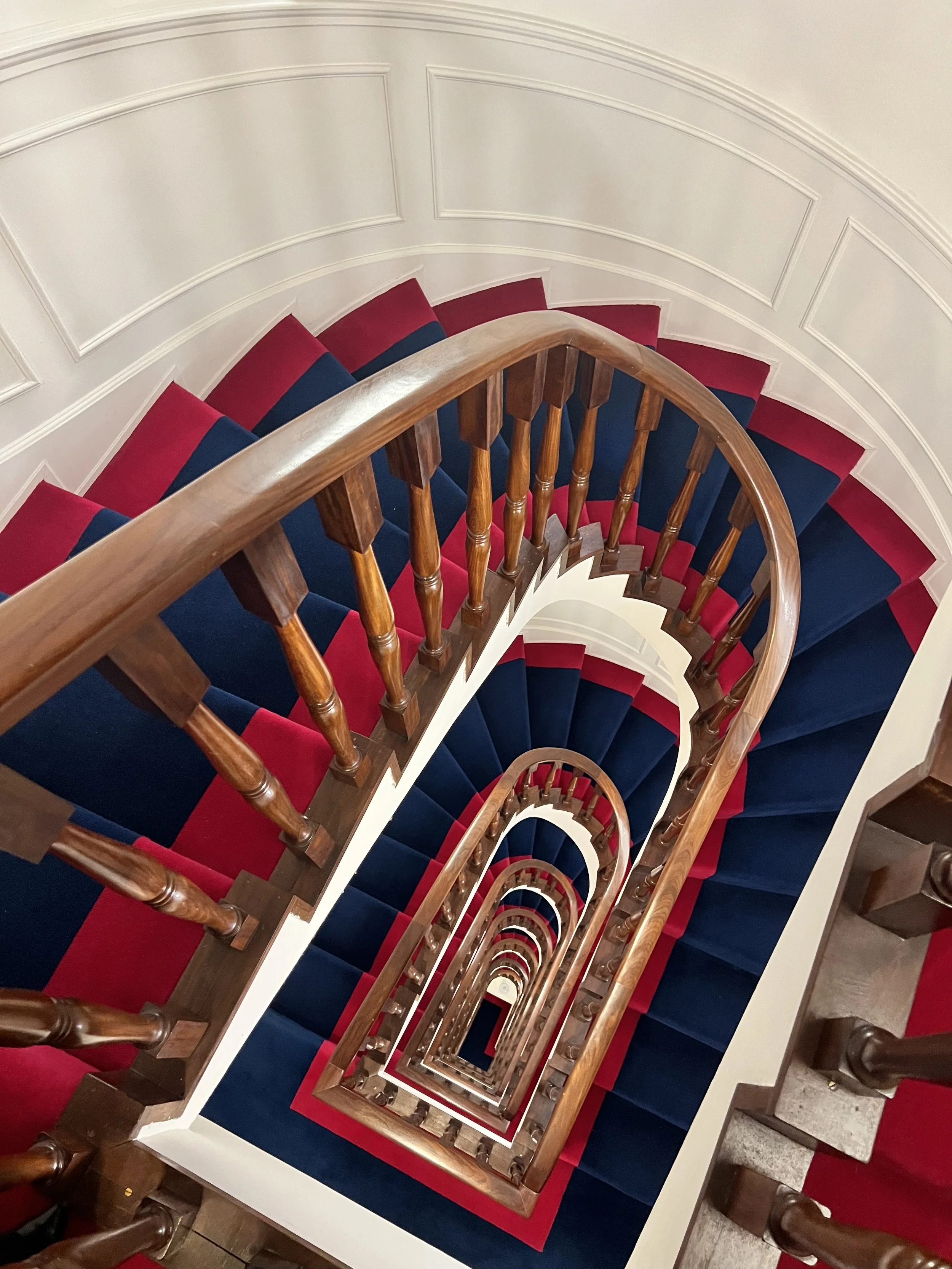
That is probably why I have such a soft spot for legacy hotels.
The best owners and stewards understand that they aren't just renovating an old building. They've been entrusted
with something that has a place in history—the architecture, craftsmanship, stories and details created by people who lived generations before us.
Properties like the Waldorf Astoria New York and Hotel del Coronado could have been stripped of their identities in the name of modernization. Instead, enormous investments were made to understand what was there,
uncover what had been lost, restore what could be saved and thoughtfully determine where the modern world needed to fit.
Air conditioning? Absolutely.
Better bathrooms, closets, technology and restaurants today's traveler actually wants?
Of course.
But not at the expense of the woodwork,
stained glass, frescoes, marble,
architecture and craftsmanship
that tell us where a building has been.
Our lives move incredibly fast.
We replace things constantly. We build something new and move on to the next thing.
A great legacy hotel asks us to do something different.
It gives us an opportunity to walk through a doorway, look up at a ceiling or sit in a room and
recognize that people stood in that same place long before we arrived—
and, if these properties continue to be cared for properly, people will be standing there long after we're gone.
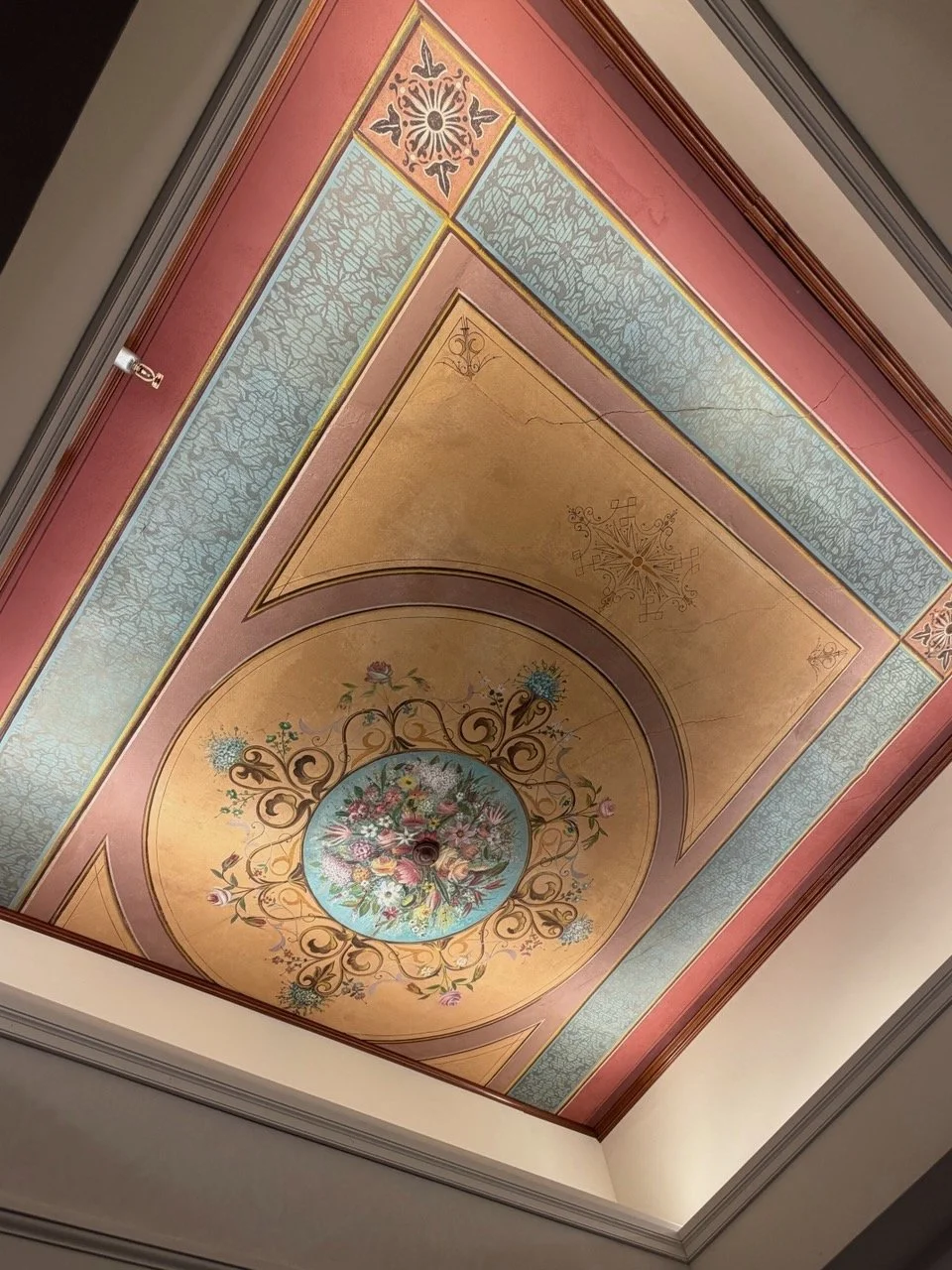
A discovered fresco at Hotel Del Coronado during their restoration project.
They aren't preserving the past simply so we can admire it. They're allowing us to experience it in the present.
These are a few of the hotels that, to me, have understood the assignment exceptionally well.
WALDORF ASTORIA NEW YORK
New York City
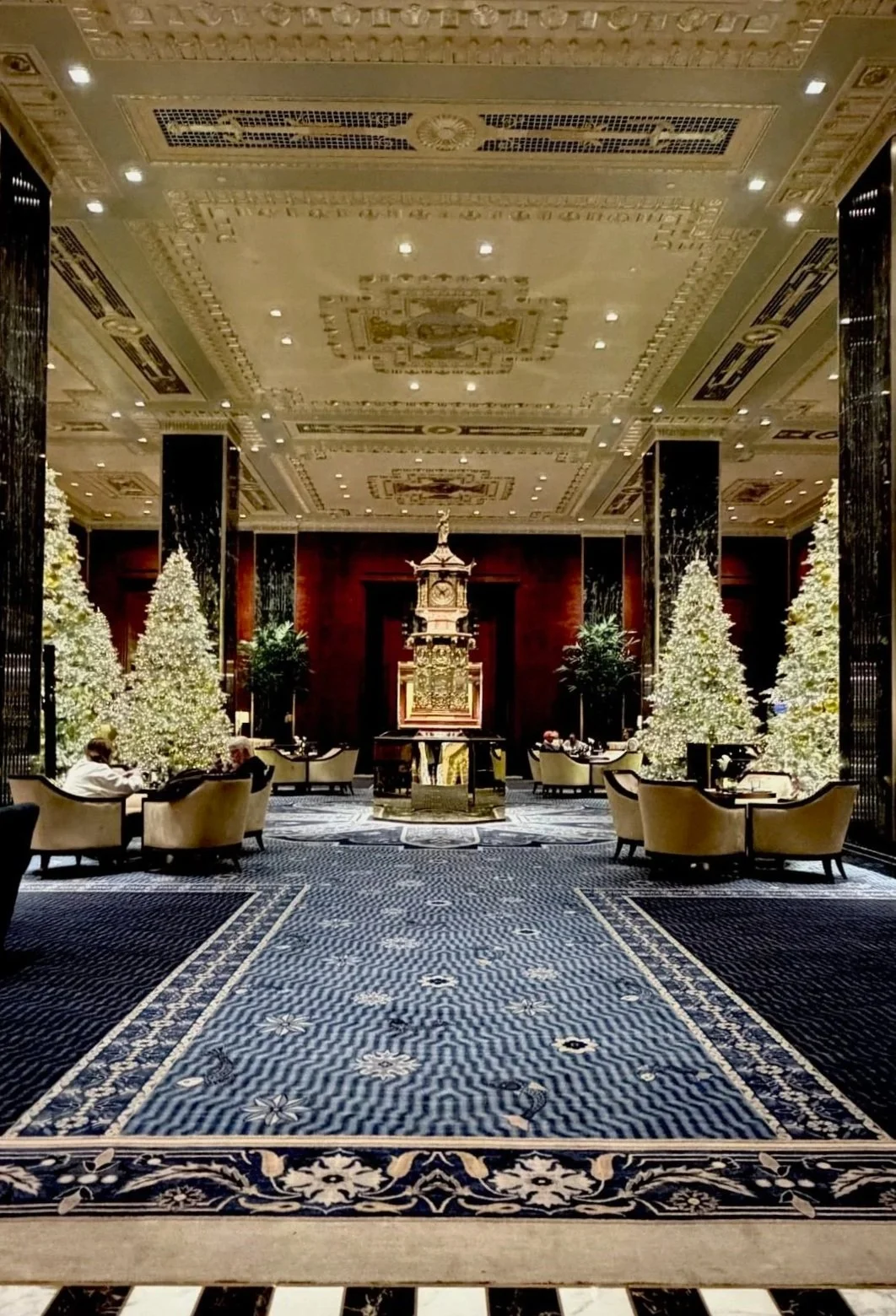
The Waldorf story stretches back to New York's Gilded Age, while the landmark we know today opened on Park Avenue in 1931 as an Art Deco masterpiece.
After an extraordinary restoration, its historic murals, mosaics, marble, architectural details and iconic Peacock Alley have been painstakingly brought back to life, alongside the technology, comfort and amenities expected of a modern luxury hotel.
What I appreciate most is that they didn't simply make an old hotel
look new again.
They made an important hotel feel relevant again without erasing the reasons it was important in the first place.
This is what preservation can look like when the people responsible for a property understand what they've been entrusted with.
HOTEL DEL CORONADO
Curio Collection by Hilton · Coronado, California
This one fascinates me.
Growing up in Las Vegas, everyone seemed to have their Southern California beach. Ours was San Diego. I spent summers and spring breaks there, eventually went to college there, and once I had a family of my own, we continued the tradition with our children.
San Diego has always held a special place in my heart, and The Del is part of that. Brunches in the Crown Room, friends’ weddings and years of returning to this hotel are memories I hold dear. Which may be why I appreciate its restoration even more.
Built in 1888, The Del is old enough to have accumulated presidential visits, Hollywood stories—and even a few famous ghosts.
Its recent six-year, $550+ million transformation wasn't about turning The Del into a new hotel. In many ways, it was about rediscovering the old one.
The hotel was taken down to its bones in places. Original woodwork was uncovered and restored, the stained-glass Coronation Window returned to its place, and an 1888 ceiling fresco was discovered and brought back to life. Details lost through decades of alterations are once again part of the hotel.
And then there are the stories. L. Frank Baum, author of The Wonderful Wizard of Oz, spent considerable time at The Del and is credited with designing the Crown Room's famous chandeliers. Legend has long connected the hotel's fantastical architecture with his vision of the Emerald City. And yes, there are the ghosts.
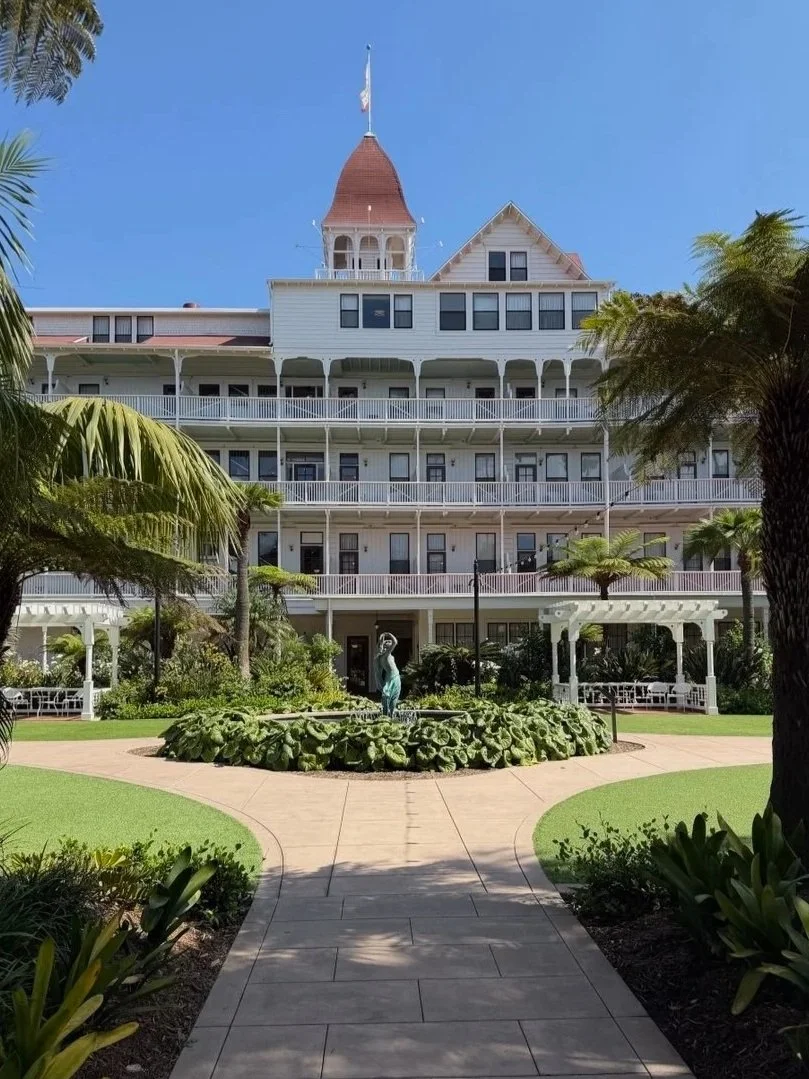
But this isn't a museum.
They've added air conditioning, closets, modern guestrooms and contemporary amenities. You can experience an 1888 American icon and then have dinner at Nobu.
That is understanding the assignment.
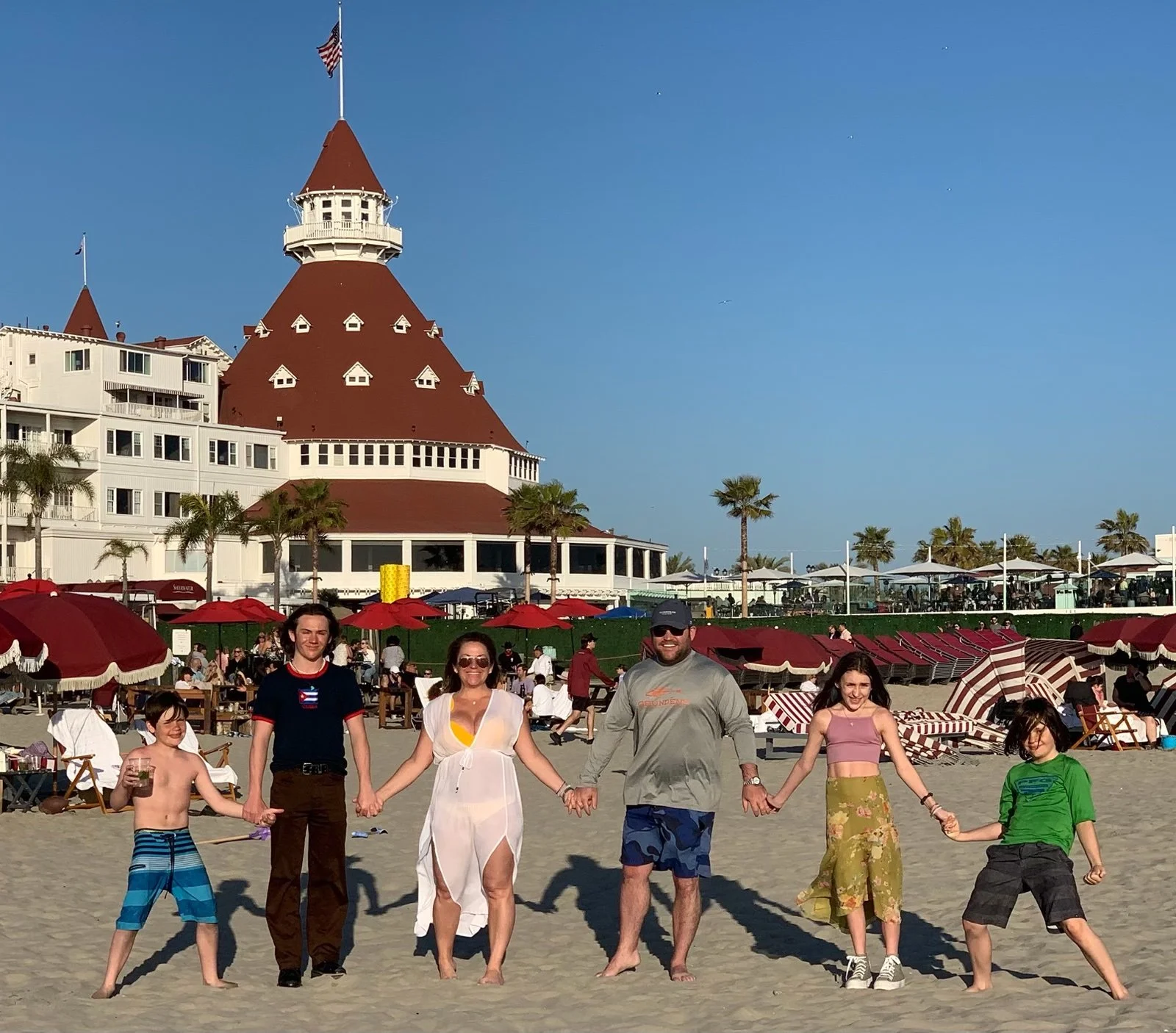
The Del, 6 years ago— with our little entourage.
HÔTEL DE CRILLON
A Rosewood Hotel · Paris, France
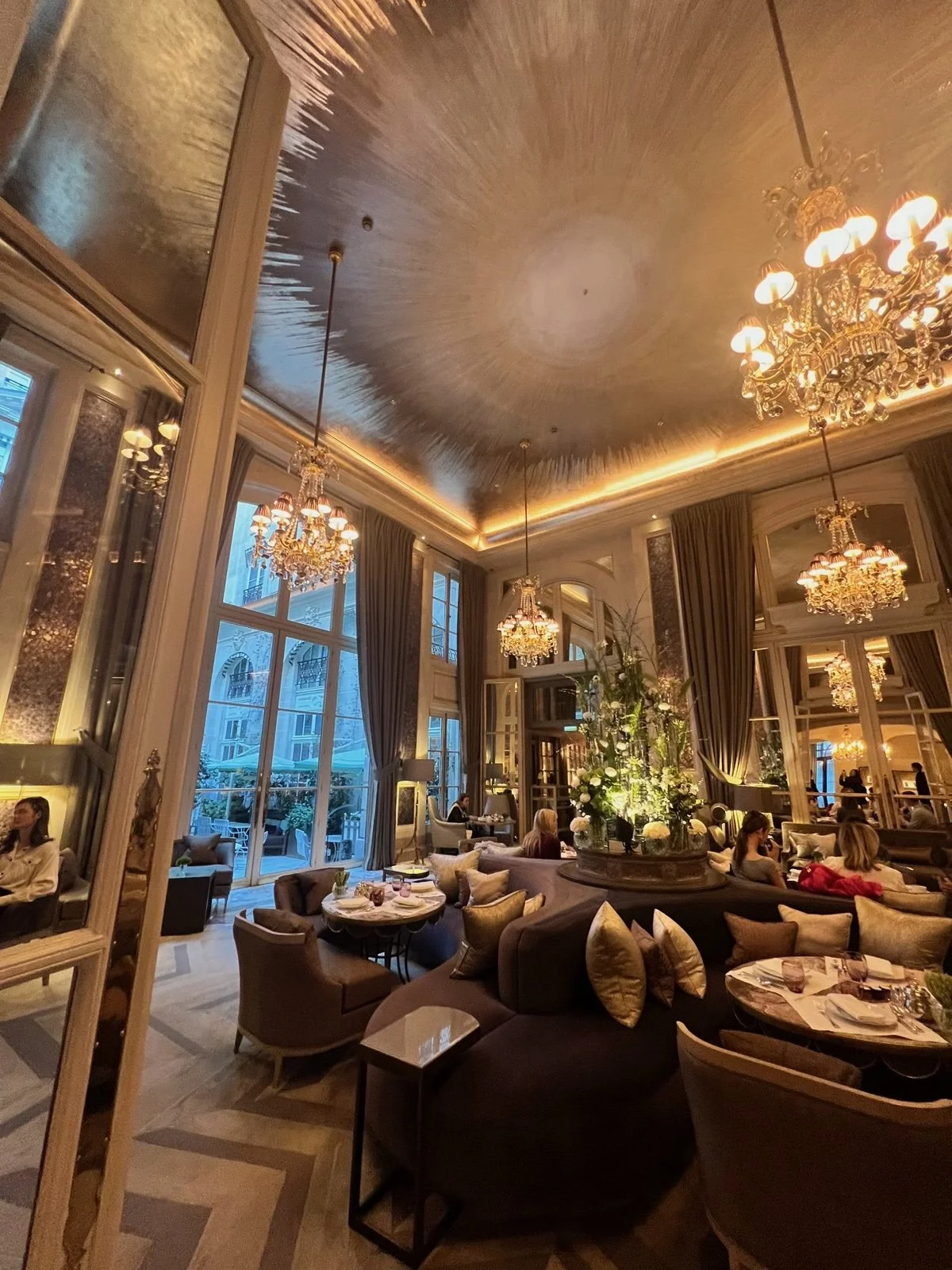
True to Rosewood form, one of my favorite places at Crillon is actually the lobby bar. It's elegant and lively and feels completely relevant to Paris today.
And that's part of what makes this hotel so extraordinary.
You're sitting in a building commissioned by Louis XV in the 18th century, overlooking Place de la Concorde—a building that has watched centuries of French history unfold directly outside its doors.
In 1909, it debuted as the Hotel de Crillon, and has operated independently under different ownership for decades, including the famed champagne family, Taittinger. In 2013, Rosewood lead a 4-year restoration project and reopened in 2017.
Its craftsmanship and architecture remain part of the experience, but the hotel feels very much alive and very much part of modern Paris. It is also a superb example of my favorite combination, history and luxury rolled into one stay.
To me, that's the magic of a great legacy hotel.
You know exactly where you've been while still feeling completely part
of where you are now.
THE RITZ LONDON
London, England
The Ritz London will always be special to me because it was one of the most memorable hotel stays I've ever had with my children.
This is a hotel known for tradition, formality and old-world glamour. What surprised me was how incredibly well they welcomed our family.
Every evening, an ice cream cart rolled into the room with ice cream and all the toppings so the kids could make their own sundaes. They brought in Xboxes. At check-in they handed each of my children beautiful little backpacks filled with things they could actually use—a kid-friendly map of London, slippers that fit them, a water bottle and other thoughtful touches.
They didn't change what The Ritz was to accommodate a younger generation. They simply found a way to invite that generation into it.
And then there is the hotel itself.
Breakfast surrounded by all that incredible architecture and detail feels like an occasion. Afternoon Tea at The Ritz is still my absolute favorite tea in the world—and something I recommend to clients visiting London even when they're staying elsewhere.
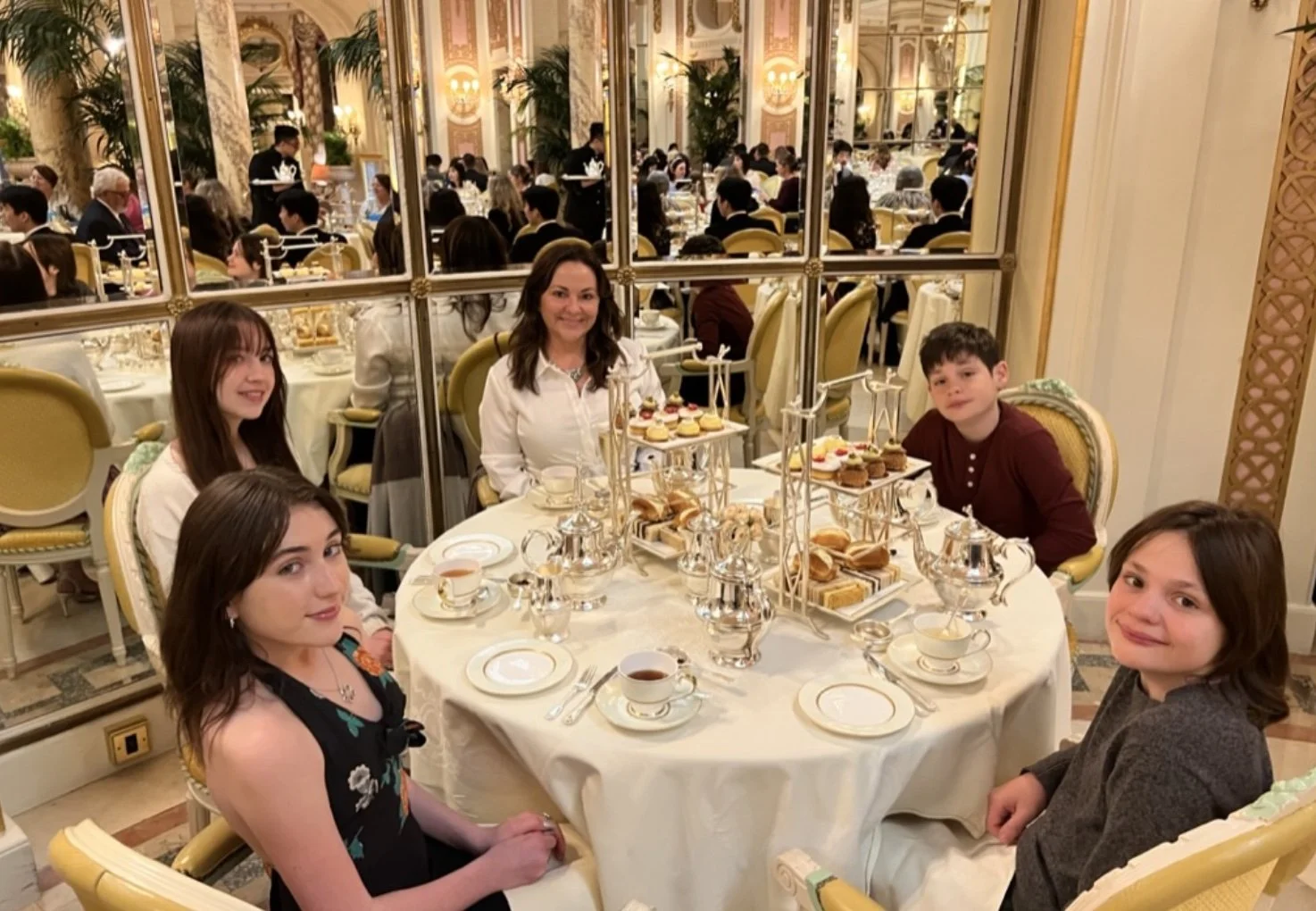
The Ritz has protected the traditions, service and sense of occasion that have made it an institution since 1906. But it also understands something important about legacy:
Preserving a hotel isn't enough. The next generation has to fall in love with it, too.
My children did. And so did I.
THE BEVERLY HILLS HOTEL
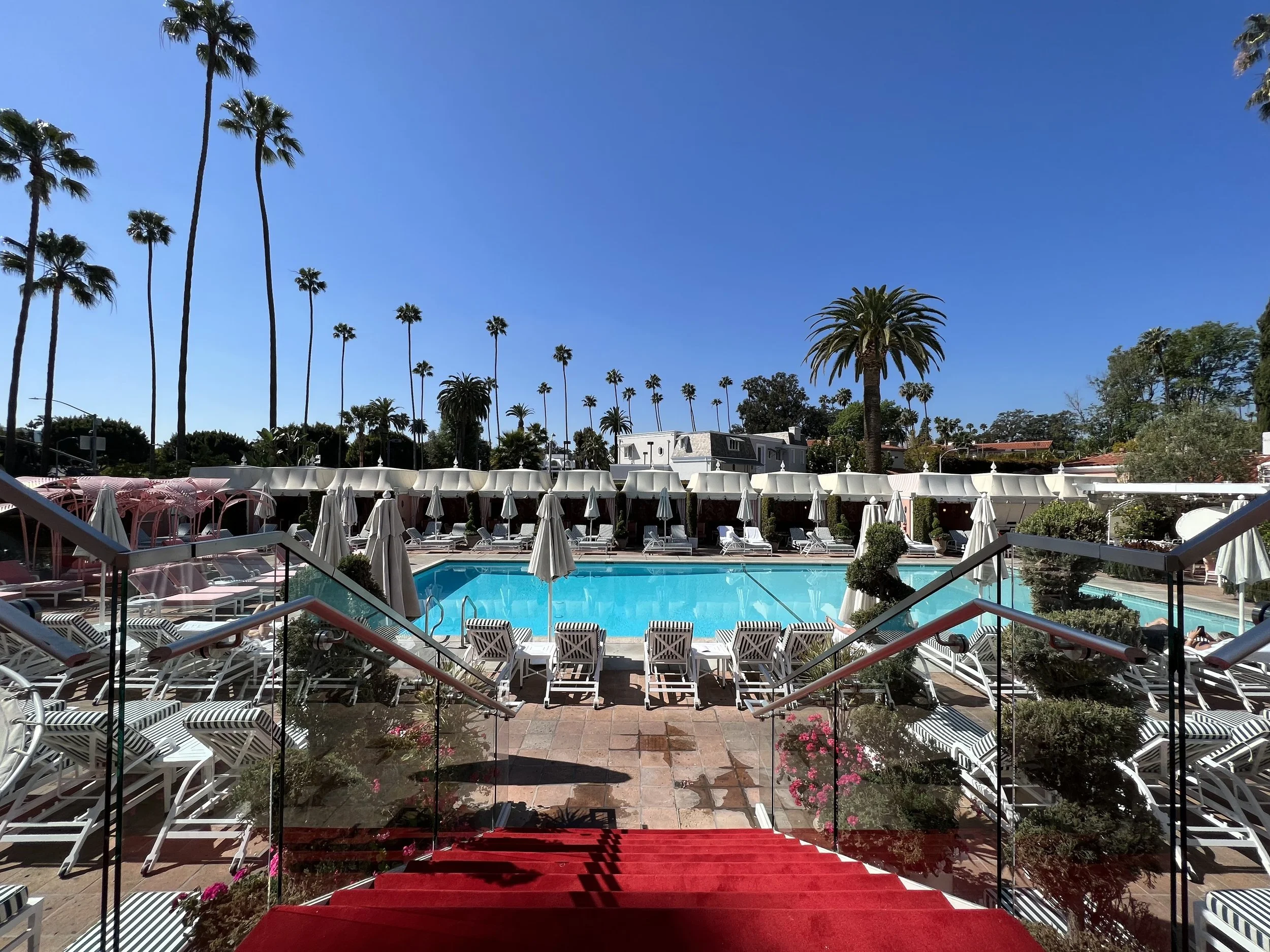
Dorchester Collection · Beverly Hills, California
There may be no hotel in Los Angeles where you can feel the presence of Hollywood quite like The Beverly Hills Hotel. Not just old Hollywood, but decades of it.
And then there’s the pink. Known as “The Pink Palace,” The Beverly Hills Hotel is one of those rare hotels whose color has become almost as iconic as the hotel itself. The pink façade, green-and-white stripes and banana-leaf wallpaper are instantly recognizable—and somehow still feel glamorous rather than nostalgic.
One of my favorite things to do in Los Angeles is have breakfast in the Fountain Coffee Room. Stay long enough, and it may be one of the most interesting places in the city to simply sit and watch.
The same is true of the Polo Lounge. We once sat down for dinner and found ourselves across from Paris Hilton and Seth MacFarlane. And somehow, at The Beverly Hills Hotel, that doesn't even seem particularly unusual.
That’s part of its magic. The hotel carries the energy of generations of Hollywood—from its earliest stars through the '70s, '80s and '90s and right into today. The palm trees around the pool, the pink and green, that fabulous red-carpeted double staircase—it all feels unmistakably Beverly Hills.
That's what I love about this hotel. It has been updated and cared for without polishing away the personality that made it famous.
You don't walk into The Beverly Hills Hotel wondering where you are.
It knows exactly what it is—and thankfully, no one has tried to make it something else.
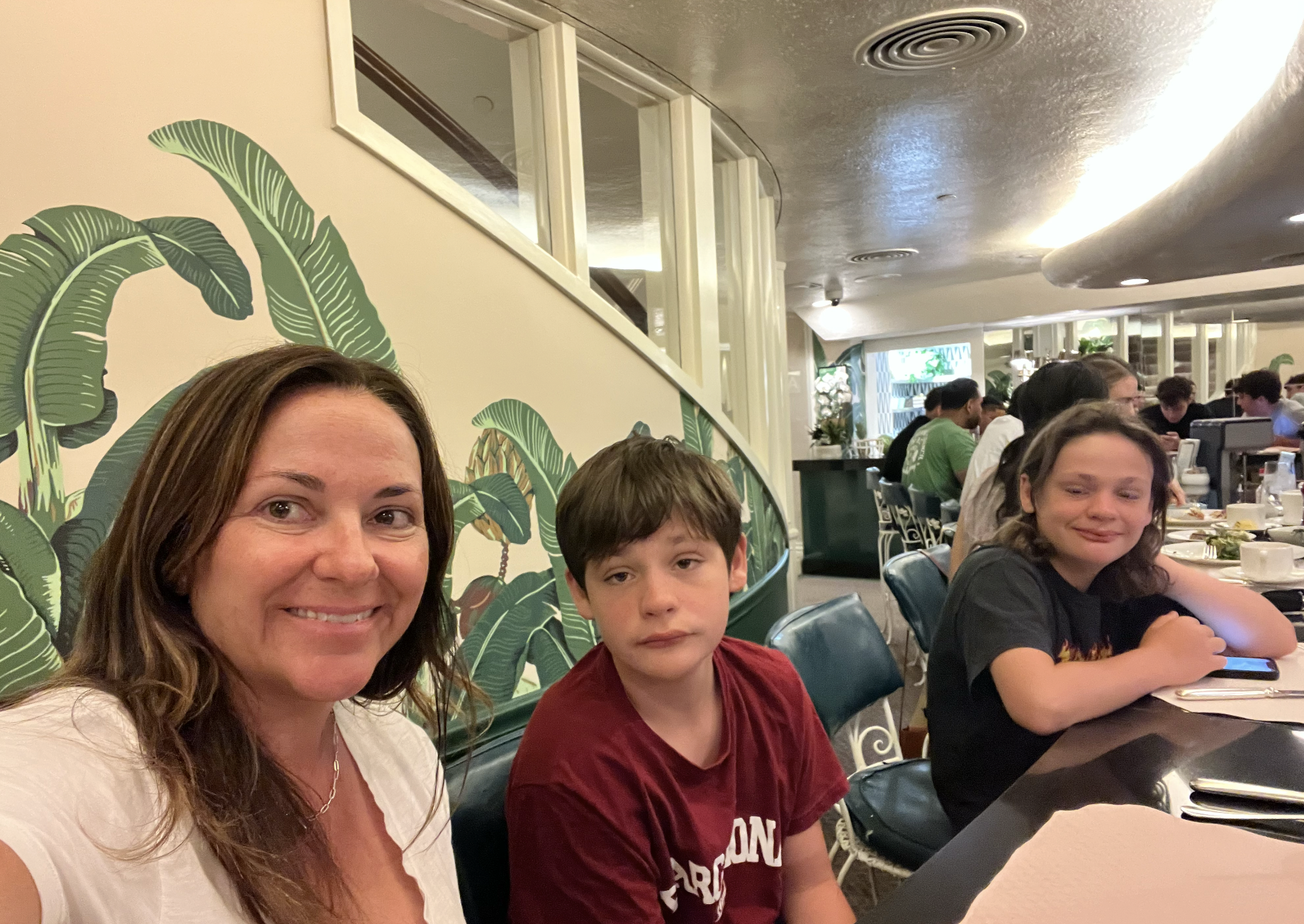
Breakfast at the Fountain Coffee Room—an L.A. classic and still one of my favorite ways to start the day..
MOUNT NELSON
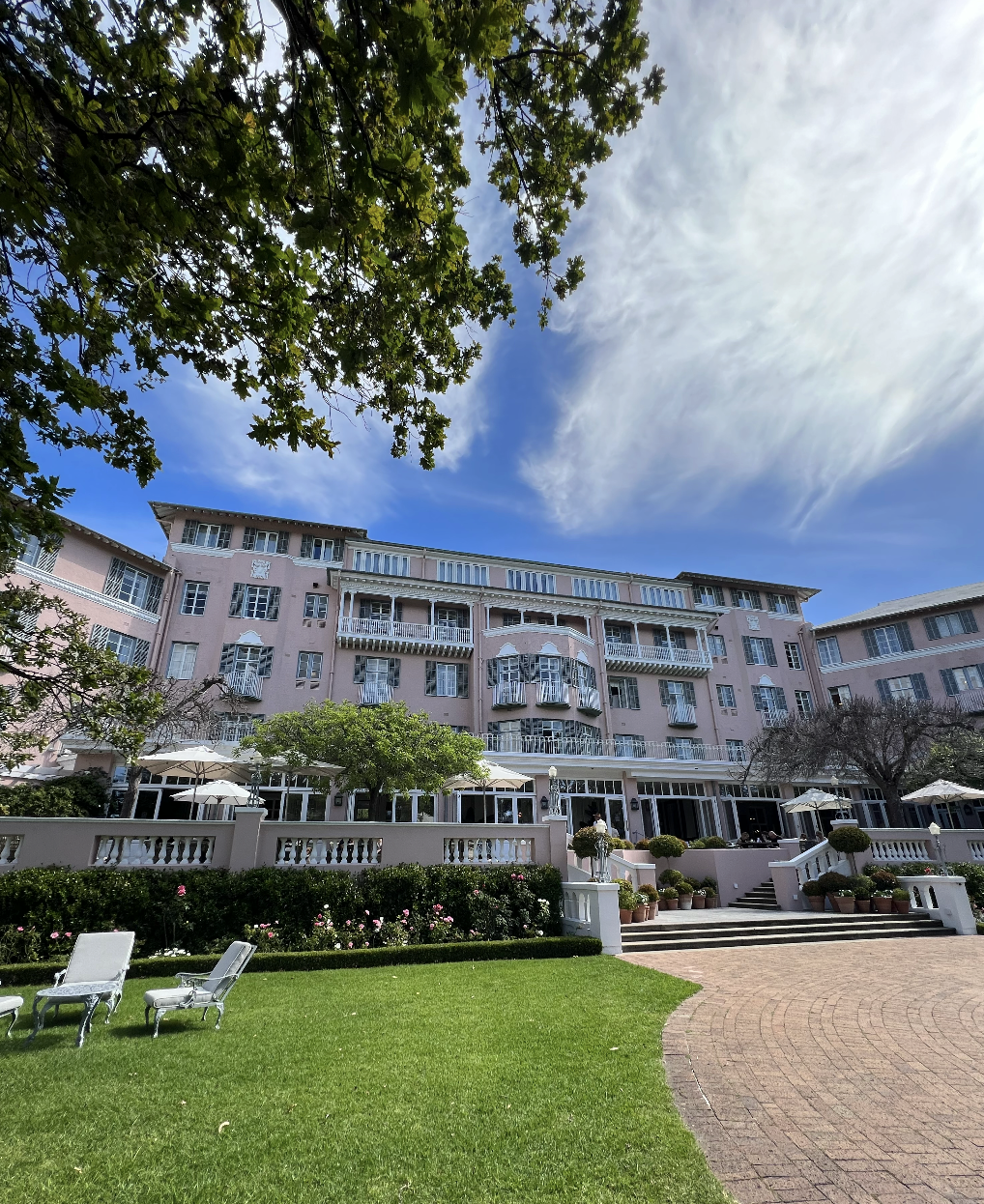
A Belmond Hotel · Cape Town, South Africa
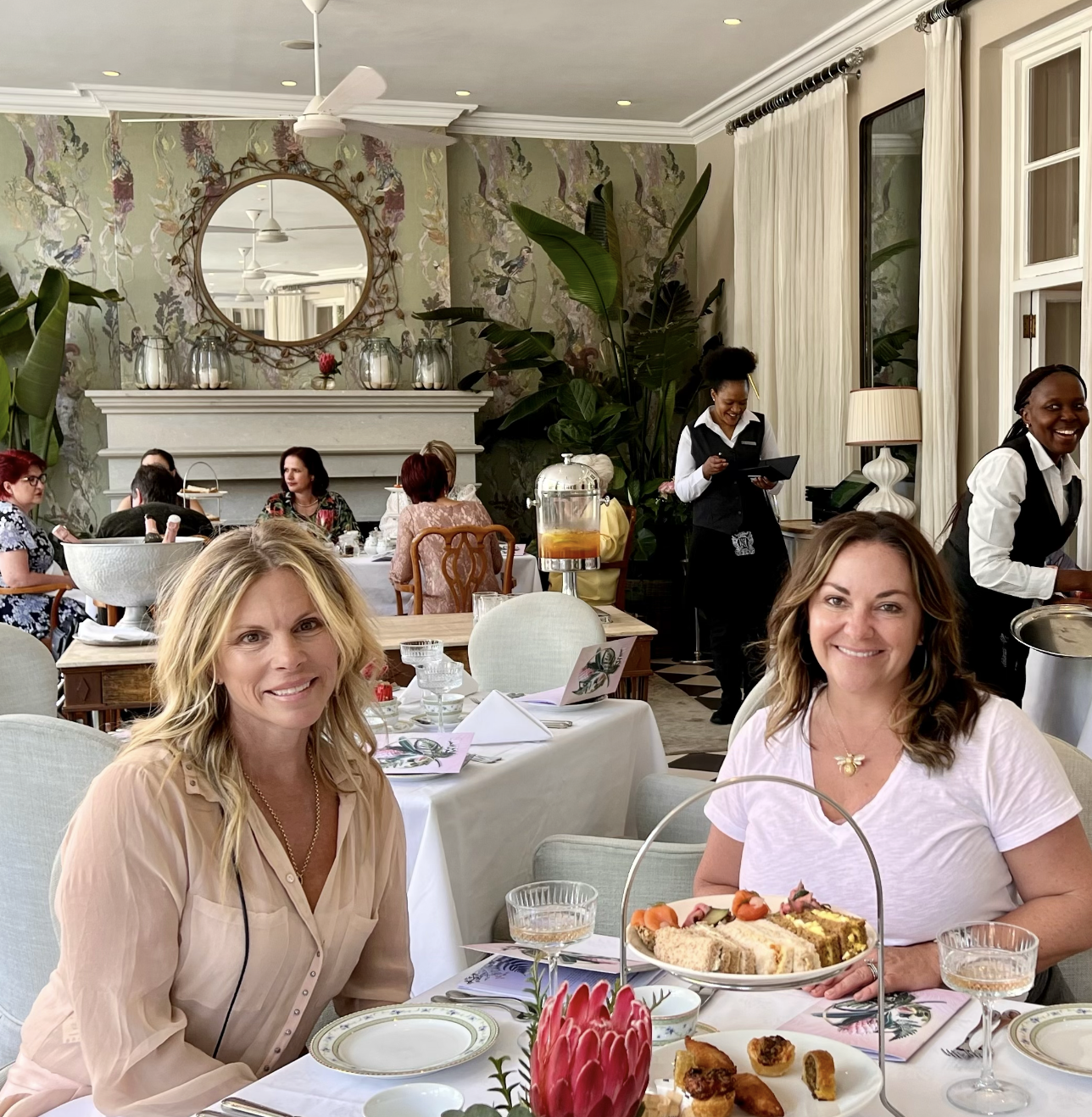
Mount Nelson has two things I absolutely love: one of my favorite afternoon teas in the world—right up there with The Ritz London—and those enormous, shaded green lawns.
And then, of course, there’s the pink. Mount Nelson belongs to that wonderful little collection of famous pink hotels around the world—the kind you recognize almost before you see the name. The hotel was painted its signature shade in 1918, a color chosen to mark the end of World War I and the beginning of a new era of peace.
This is genuinely a hotel where I could picture bringing my grandchildren someday and watching them run around the gardens.
But its history makes me love it even more.
In 1890, shipping magnate Sir Donald Currie purchased the property with a very specific vision: to create a grand hotel for the affluent first-class passengers arriving in Cape Town aboard his ships. When Mount Nelson opened in 1899, glamorous international travel itself was entering an entirely new era.
More than 125 years later, you can still sit for afternoon tea or walk those gardens and understand why travelers wanted to stay here.
It isn't simply a hotel from another era. It was built for the beginning of a new era of luxury travel.
Afternoon Tea at Mount Nelson
GRAND WAILEA
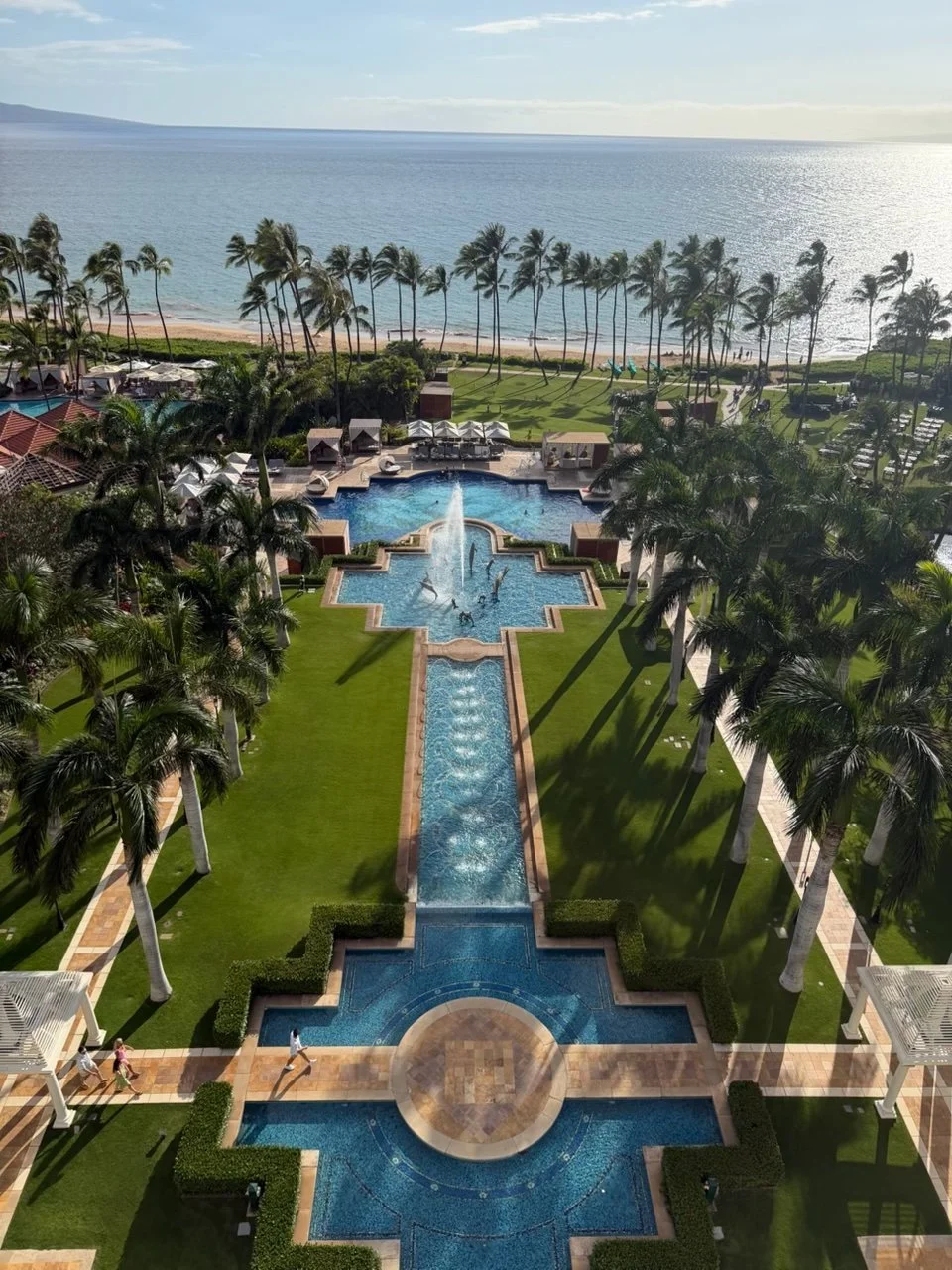
A Waldorf Astoria Resort · Maui, Hawaii
Grand Wailea represents a different kind of legacy.
It doesn't have a century of history behind it like The Ritz or Mount Nelson, but as Grand Wailea celebrates its 35th anniversary in October 2026, it has reached an interesting point in its own story: the guests who came here as children are now returning with children of their own.
Grandparents are bringing their children and grandchildren back to a place that holds memories from earlier chapters of their lives.
And I love that.
Grand Wailea was built on a scale that is difficult to imagine today. The gardens, pools, fountains, art and architecture were all part of a vision to create something extraordinary on this stretch of Maui.
As the resort has evolved, significant investment has gone into updating it for today's traveler. But the challenge—and the opportunity—is preserving the things that made generations of families fall in love with it in the first place.
Because sometimes a hotel's greatest legacy isn't simply what has been preserved. It's the memories families keep coming back to create there.
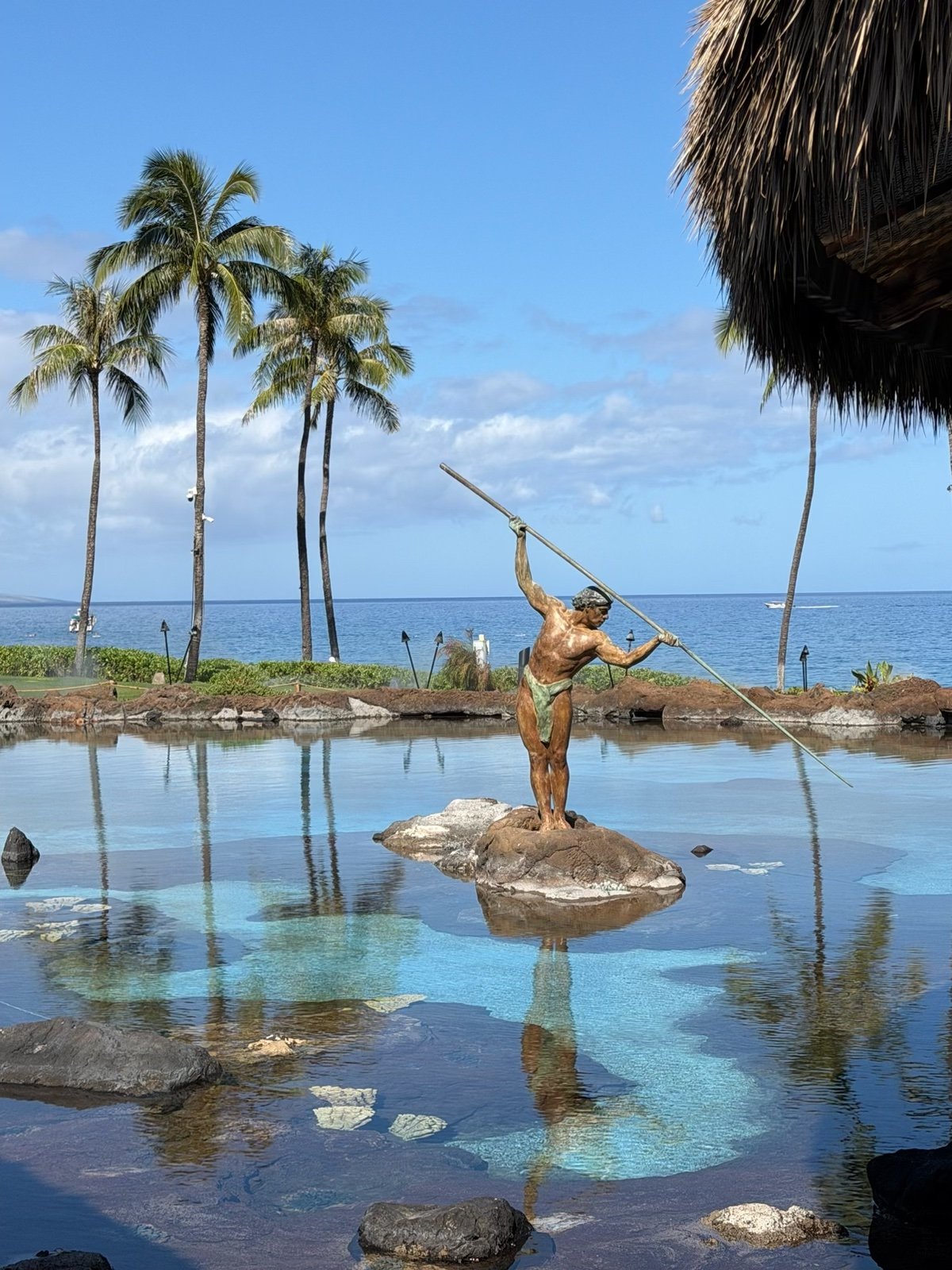
Art has been part of the Grand Wailea experience since the beginning—another piece of the original vision worth preserving.
ONE I'M WATCHING
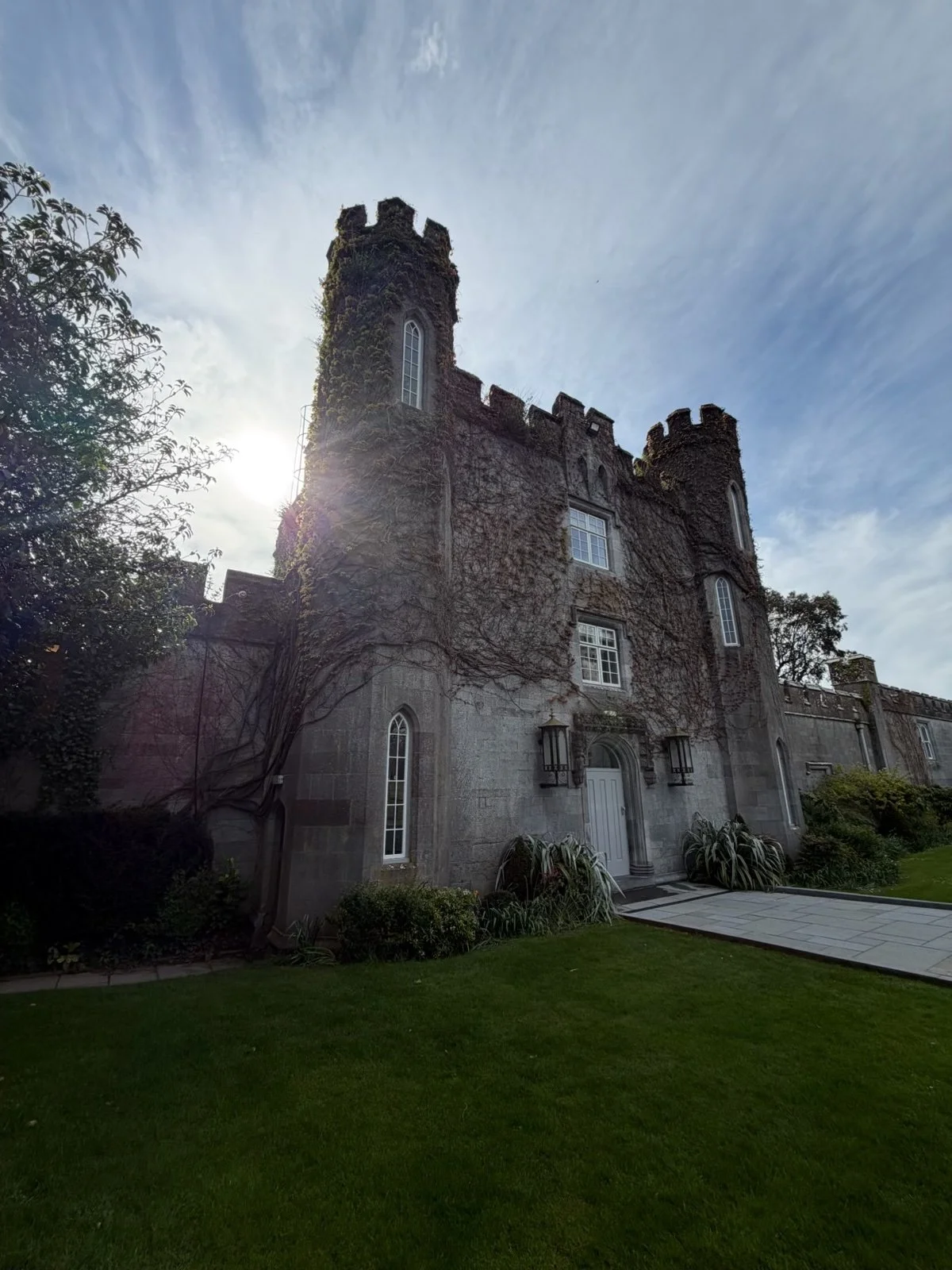
DROMOLAND CASTLE | COUNTY CLARE, IRELAND
And then there is one legacy hotel's next chapter that hasn't been written yet.
Dromoland Castle.
The property is preparing for a major transformation, and I cannot wait to see the result.
Because, in many ways, Dromoland is about to face the very question I've been thinking about since that historic homes tour in Charleston:
Renovation or restoration?
The goal is to bring the property forward with the conveniences and experiences expected by today's luxury traveler while protecting its history, craftsmanship, character and connection to Ireland.
In other words, exactly what the hotels on this list have accomplished so well.
They remind us that modernization doesn't have to mean erasing what came before.
Done with care, respect—and, frankly, significant investment—we can preserve extraordinary architecture, craftsmanship and stories while creating hotels that work beautifully for the way we live and travel today.
Because these buildings aren't important only for our enjoyment.
They hold a place in time.
They give us a tangible connection to people, craftsmanship and eras we might otherwise forget in the rush of our very modern lives.
And when their stewards truly understand that responsibility, perhaps we don't have to choose between renovation and restoration after all.
We get to have both.
I cannot wait to see what Dromoland does next.
INSPIRED TO STAY?
These are just a few of the hotels that have stayed with me over the years. Explore luxury hotels around the world, including many offering preferred amenities through RSMLVTravel.
Planning a larger trip around your stay?
Start Planning →